A management company deals with the building and construction and sells shares, which entitle buyers to invest a defined quantity of time (typically one week per year) at the residential or commercial property (timeshare how it works). Some timeshares are large complexes with dozens of living units, while others resemble a single family house and are just large enough for one owner to occupy at a time.
Owning a timeshare is not the very same as owning trip residential or commercial property outright - timeshare how does it work. Owners do not have the right to make changes or improvements to the home directly. Rather, the timeshare's management company carries out upkeep, cleansing and enhancements using funds pooled by owners. The management business likewise lays out rules for utilizing the property, which owners should accept when they sign a purchase contract.
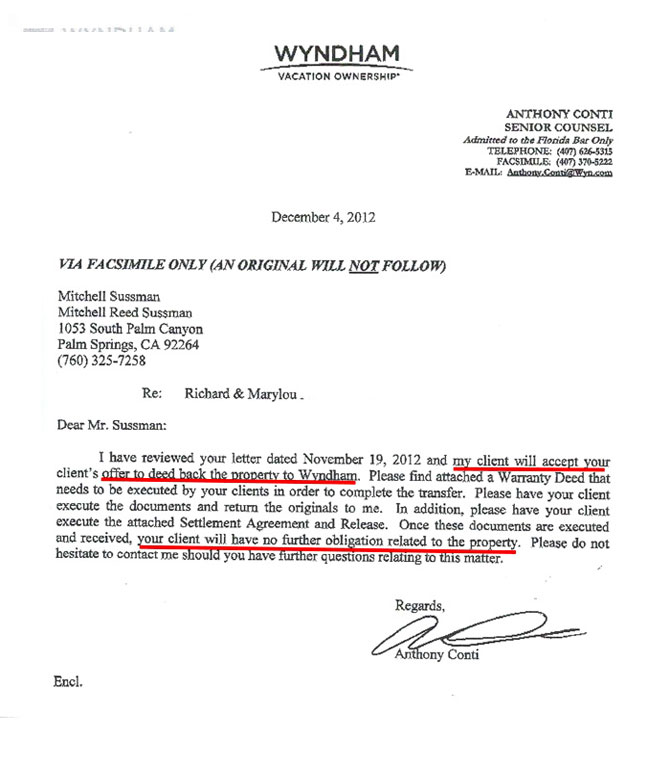
Owning a timeshare has a number of benefits over other types of vacationing. Unlike leasing a hotel, owning a timeshare guarantees the owner area and protects the dates in advance - how to sell a timeshare deed. Some timeshares enable owners to trade, offer or present their time, which makes vacationing more flexible. Some even use multiple locations where owners can choose to invest their designated time.

Timeshares generally represent long-term cost savings over leasing hotels each year. Nevertheless, owners need to be prepared for the real expense of ownership. Besides the initial expense of the share, owners are accountable for an annual maintenance fee, which approaches improving the timeshare at the discretion of the management (how much is timeshare cost). Owners may also be liable for unique costs to deal http://troyugry603.jigsy.com/entries/general/9-easy-facts-about-what-is-a-timeshare-contract-described with emergency damage or perform a major upgrade, such as a brand-new roof.
Normally owners must await a set quantity of time prior to offering. Timeshares tend to decline with time, making them a bad property investment. This is especially true when more recent timeshares inhabit the very same location, offering prospective purchasers more appealing options. Owners who offer may recoup a few of the purchase cost, however charges and devaluation avoid timeshares from making a profit in the majority of cases.